

Winter Storm Damage in Glendale, CA
Winter storm damage in Glendale, CA often stems from heavy seasonal rainfall and flash flooding that affects homes across neighborhoods like Verdugo Woodlands and Rancho San Rafael, particularly those situated near natural drainage channels and wash areas. When water intrusion occurs—whether from roof leaks, foundation seepage, or localized flooding—rapid response becomes critical to prevent structural deterioration and secondary damage. Lorne Water Damage Restoration connects Glendale property owners with local independent restoration providers who can assess winter storm water damage and begin mitigation and recovery work promptly.
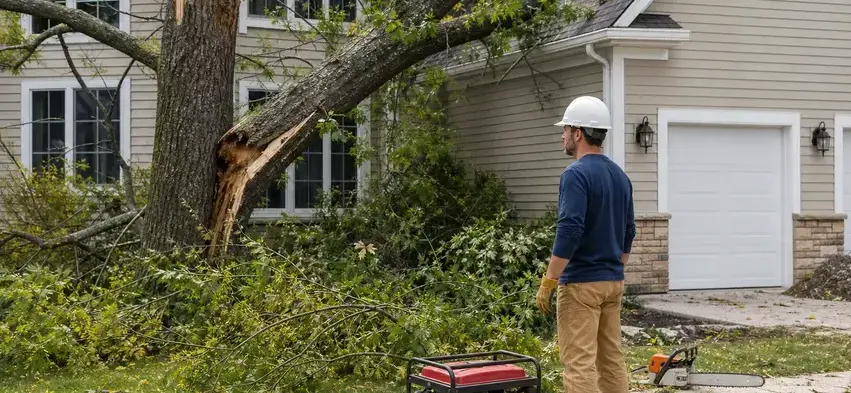
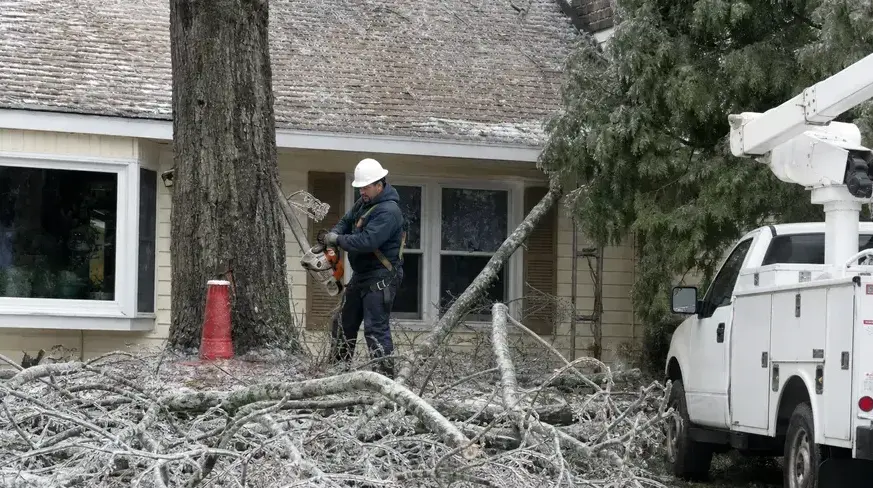
Winter Storm Damage in Glendale, CA: What to Know
Glendale's position in Southern California exposes properties to seasonal winter rainfall and flash-flooding risks that can cause serious water intrusion and structural damage. Homes throughout the city—from neighborhoods like Verdugo Woodlands to areas closer to drainage corridors—face heightened vulnerability when heavy rain events occur, particularly in lower-lying zones where water runoff concentrates. Winter storms may overwhelm gutters, saturate soil around foundations, force water through walls and crawl spaces, and damage interior finishes, mechanical systems, and stored belongings. Property owners in Glendale cannot always predict when a significant rain event will strike or how thoroughly water will penetrate their home; the damage that follows demands swift, thorough response to prevent mold growth, structural compromise, and compounding losses.
Lorne Water Damage Restoration connects Glendale property owners with independent local restoration providers who specialize in addressing winter storm water damage. These professionals respond quickly to assess the extent of intrusion, extract standing water, dry affected spaces methodically, and document damage for insurance purposes. They work to identify moisture that may be hidden from view and monitor recovery progress to ensure thorough drying. Rather than leaving cleanup to chance or attempting piecemeal repairs, property owners benefit from a coordinated approach that prioritizes both immediate safety and lasting restoration. If winter weather has brought water into your Glendale home, reaching out promptly to a local provider through our referral service ensures you have skilled support when it matters most.
Why Glendale Property Owners Choose Lorne for Winter Storm Damage
Fast Response to Winter Storm Damage
Winter storm damage demands immediate action. Lorne connects you with local restoration providers ready to respond quickly when heavy rain and flooding threaten your property, minimizing further water intrusion and structural risk.
Clear Communication Throughout Restoration
Winter storm damage assessments can be overwhelming. Lorne's connected providers explain damage scope, next steps, and timelines in plain language, keeping you informed from initial inspection through completion of water removal and drying.
Thorough Winter Storm Damage Treatment
Incomplete drying after winter storm damage leads to mold and decay. Local providers in Lorne's network use systematic water extraction and dehumidification to address saturation in walls, flooring, and structural areas affected by seasonal rain and flooding.
Local Expertise for Flash Flood Risk Areas
Glendale properties near drainage channels and foothill areas face elevated winter storm damage risk from seasonal flash flooding. Lorne connects you with local restoration providers familiar with these patterns and equipped to handle water intrusion common to your neighborhood.
How Our Winter Storm Damage Process Works
From your initial call to the final inspection, we provide a structured, professional, and efficient process to ensure your property is fully restored after Winter Storm Damage.
Report Winter Storm Damage Now
Contact Lorne Water Damage Restoration to report winter storm damage to your Glendale property. A local independent restoration provider will be connected to you promptly to begin emergency response and prevent further water intrusion from rain or flooding.
Assess Winter Storm Water Damage
The connected restoration provider inspects your home for water entry points, saturation in walls and foundations, and damage from heavy winter rainfall or drainage-channel flooding. This diagnosis determines which areas require immediate extraction and drying to stop mold and structural deterioration.
Restore and Dry After Winter Storm
The provider removes standing water, deploys drying equipment, and restores damaged materials caused by winter storm water. Follow-up inspections confirm moisture levels have returned to normal and your home is protected from lasting winter storm damage.
Dealing with Winter Storm Damage in Glendale? Get fast, professional help.
Call Now — (818) 582-9978Winter Storm Damage Risk Across Glendale
Glendale's mix of established neighborhoods and newer residential areas face distinct winter storm water-damage vulnerabilities tied to local geography and construction patterns. Most homes throughout the city rest on slab or raised crawl-space foundations, the standard for Southern California residential development. This foundation design, while common, can concentrate water runoff during heavy seasonal rainfall—a primary threat to Glendale properties. Areas like Verdugo Woodlands and Rancho San Rafael, positioned closer to natural drainage corridors and foothill channels, experience heightened exposure when winter storms bring intense precipitation.
Properties in neighborhoods such as Adams Hill and Rossmoyne may also face rapid water intrusion during heavy rain events, particularly where grading, gutters, or perimeter drainage systems become overwhelmed. The Verdugo Wash and associated drainage channels that run through and near Glendale naturally channel stormwater downslope; homes in proximity to these waterways can see flash flooding during peak winter rainfall. Understanding your property's location relative to these drainage patterns and foundation type helps explain why winter storm damage can vary significantly across the city—and why prompt, local restoration response matters when water enters your home.
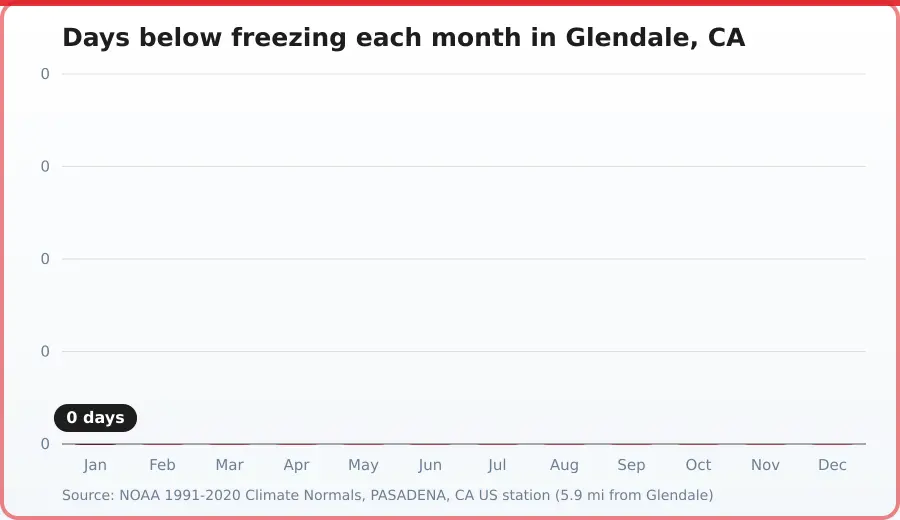
| Period | Freezing days per month (days) |
|---|---|
| Jan | 0 |
| Feb | 0 |
| Mar | 0 |
| Apr | 0 |
| May | 0 |
| Jun | 0 |
| Jul | 0 |
| Aug | 0 |
| Sep | 0 |
| Oct | 0 |
| Nov | 0 |
| Dec | 0 |
Source: NOAA 1991-2020 Climate Normals, PASADENA, CA US station (5.9 mi from Glendale). Retrieved October 4, 2026.
Winter Storm Damage Across Glendale's Seasons
Spring: Post-Storm Assessment
As winter rains taper in spring, property owners throughout Glendale often discover water intrusion and structural damage that accumulated during the wet season. Lorne Water Damage Restoration connects you with local providers who assess lingering moisture, document damage for insurance, and begin restoration before mold takes hold.
Summer: Drying and Recovery
Summer's heat accelerates the drying phase for water-damaged properties, but residual moisture trapped in walls and foundations requires professional extraction and monitoring. Local restoration providers work with property owners to ensure complete moisture removal and prevent secondary damage that summer heat alone cannot resolve.
Fall: Prevention and Preparation
As fall approaches and weather patterns shift toward wetter conditions, property owners should inspect gutters, downspouts, and drainage systems for debris that could channel winter storm runoff toward foundations. Lorne Water Damage Restoration helps connect you with providers who identify vulnerable areas before the rainy season arrives.
Winter: Active Storm Damage
Winter brings heavy seasonal rainfall to Glendale, and homes built on slab and raised crawl-space foundations—typical of Southern California construction—face heightened risk from water intrusion, especially in neighborhoods near foothill drainage channels and the Verdugo Wash. When winter storms strike, rapid response is critical; Lorne Water Damage Restoration quickly connects property owners with local independent providers who extract standing water, dry affected areas, and prevent structural damage and mold growth.
Related Services
Winter Storm Damage FAQs — Glendale, CA
Winter Storm Damage often involves roof leaks, water intrusion through walls and windows, foundation seepage, and flooding from heavy rainfall. In Glendale, properties near drainage channels and low-lying areas face particular risk during seasonal rains. Damage can affect ceilings, flooring, insulation, and personal belongings. Quick assessment by local restoration providers helps identify all affected areas before secondary issues develop.
Lorne Water Damage Restoration links Glendale property owners with independent local restoration providers who understand regional winter weather patterns and can respond quickly. After you submit information about your situation, the network connects you to available providers in your area. Response time depends on the provider's current workload, especially during active storm seasons when demand peaks across the region.
Restoration costs depend on the extent of water intrusion, materials affected, whether structural elements like foundations are involved, and how quickly work begins. Properties with different foundation types and roof designs may require different approaches. Drying time, necessary equipment, and any secondary damage also influence pricing. Local providers can assess your specific situation and discuss cost factors during an initial consultation.
First, ensure safety by avoiding standing water and electrical hazards. Document visible damage with photos for insurance purposes. If water is actively entering, try to contain it if safe to do so. Contact a local restoration provider through Lorne as soon as possible—the faster water is removed and drying begins, the better the outcome. Avoid delays, as moisture can cause further deterioration within hours or days.
Regular gutter and downspout maintenance helps direct rainwater away from your property. Seal cracks in exterior walls and around windows. Check that roof flashing and shingles are intact. For homes in areas prone to seasonal flooding, grading or minor landscape adjustments may help. After a winter storm event, local providers can suggest improvements to reduce vulnerability in future seasons.
Winter months bring increased rainfall risk across the region, with Glendale properties susceptible to water intrusion during heavy downpours, especially those near the Verdugo Wash and foothill areas. Seasonal rain patterns can persist for weeks, creating cumulative moisture exposure. Being prepared during winter months and having quick access to restoration providers helps minimize damage when storms strike.
Homeowner Safety Toolkit
Verify Your Glendale, CA Water Damage Restoration Company
Before you hire anyone, use these independent national resources to confirm credentials, standards, and track record.
BBB
Look up any restoration company's complaint history, customer reviews, and accreditation status — a free, independent check before you hire.
Check StandingNADCA
Sets the industry standard for inspecting and cleaning HVAC systems after water damage, so contaminated ductwork doesn't spread moisture through the rest of the house.
Duct & Air StandardsRIA
A national trade association whose member companies agree to a written code of ethics covering honest estimates, safety, and fair billing.
Code of EthicsDealing with Winter Storm Damage in Glendale, CA? Call (818) 582-9978 for 24/7 help.
Call Now — (818) 582-9978Areas We Serve Near Glendale, California
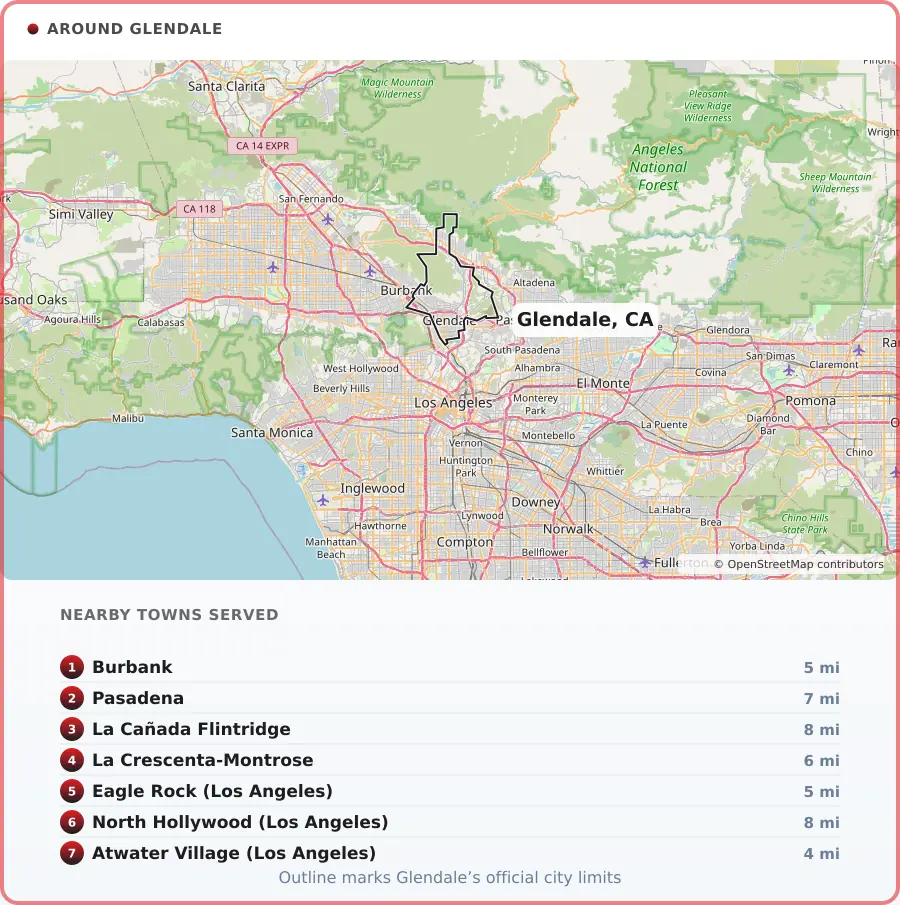
Glendale, CA is the centre of the service area, which extends to 7 surrounding towns. The map shows how far that reaches.
Glendale, CA Information
Tucked between the San Gabriel Mountains and the edge of Los Angeles, Glendale, CA has grown into one of the region's steadiest economic engines. Entertainment runs deep here, with Disney's creative campus and DreamWorks Animation anchoring a media presence that echoes nearby Burbank's studio corridor. That creative energy sits alongside solid healthcare and education institutions, corporate headquarters in retail and food service, and a mix of office, retail, and residential life that keeps roughly 196,500 residents connected to both local jobs and the pull of downtown LA.
Glendale's character shows in its neighborhoods — the quiet, tree-lined streets of Verdugo Woodlands feel a world away from the everyday bustle around Glendale City Center, yet both share the same practical, community-minded spirit that runs through this corner of Southern California.
Photo: Billy Hathorn, CC BY-SA 3.0